‘Don’t Become Another Public Sector Entity’ — Okonjo Iweala Charges Niger Delta Chamber
World Trade Organisation Director General, Dr Ngozi Okonjo Iweala, has challenged the Niger Delta Chambers of Commerce, Industry, Trade, Mines and Agriculture (NDCCITMA) to translate its investment ambitions into measurable economic outcomes, warning the chamber against becoming another public institution that consumes resources without delivering tangible results.
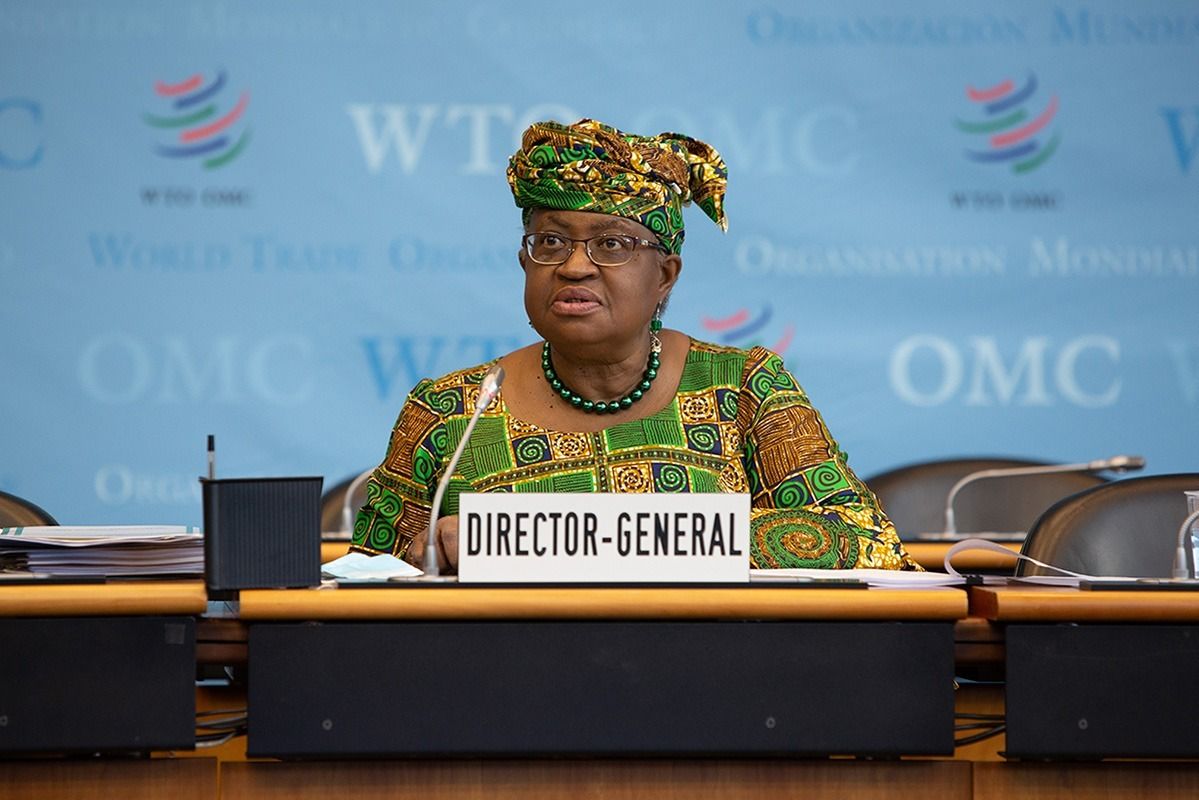
Okonjo Iweala gave the warning in a virtual address at the Niger Delta Economic and Investment Summit in Port Harcourt, Rivers State, organised under the theme, “Driving Investment, Innovation and Industrial Growth in the Niger Delta.” While commending the establishment of the chamber as an avenue for organised private sector participation in the region’s development, she stressed that its credibility would ultimately depend on what it delivers. “I must say from the outset that it must not be another public sector entity that draws public resources but delivers only public speeches and reports,” she said. “It must be guided by the ethos and discipline of the private sector and strive to deliver a stated objective through measurable results.”
Her remarks came as she painted a picture of a region where considerable natural wealth and human capital have not translated sufficiently into improved living conditions. Citing 2022 data, the WTO chief said only four Niger Delta states, Imo, Cross River, Abia and Edo, were among Nigeria’s top 10 states on the Human Development Index. She put the number of multidimensionally poor people in the region at about 24 million, representing roughly 48 per cent of an estimated 50 million population. She also highlighted gaps in basic amenities, saying 60 per cent of households lacked access to clean drinking water, while 72 per cent lacked adequate sanitary facilities.
But rather than presenting additional funding as the sole answer, Okonjo Iweala said the Niger Delta must learn to make better use of the resources already available to it. She identified the region’s skilled population, natural resource base and financial allocations as assets that could support a different economic trajectory. She urged businesses within the region to lead the return of investment, particularly after decades in which companies have left amid unrest associated with the oil sector. She also pointed to partnerships between the chamber and governments in developing Special Economic Zones with reliable electricity, water, digital connectivity and simplified licensing and regulatory processes.
The opportunities, according to the WTO chief, extend beyond the region’s traditional dependence on oil. She identified critical minerals, agriculture and the coastal economy as three areas with potential to support a broader economic base. Resources such as silica, clay and bentonite, she noted, can serve industries producing bricks, glass and tiles as well as inputs for electronics and semiconductors. Agriculture could generate greater value through local processing, while the Niger Delta’s coastline, seaports, fisheries and aquaculture could support shipping and other maritime activities capable of creating a thriving coastal economy.
She also urged the chamber to position the Niger Delta to benefit from changing global supply chains, the digital economy and the African Continental Free Trade Area, particularly as international investors look to diversify production bases and access Africa’s expanding market. For Okonjo Iweala, the test for NDCCITMA is therefore not the breadth of its plans but its ability to turn those plans into outcomes. “Let me conclude by enjoining you all to see the chambers as a true engine of growth and development,” she said, urging the body to harness the region’s natural resources while creating profitable opportunities for its private sector members.
Enjoyed this? Get the morning brief.
News from Nigeria and Africa, in one free email every day.